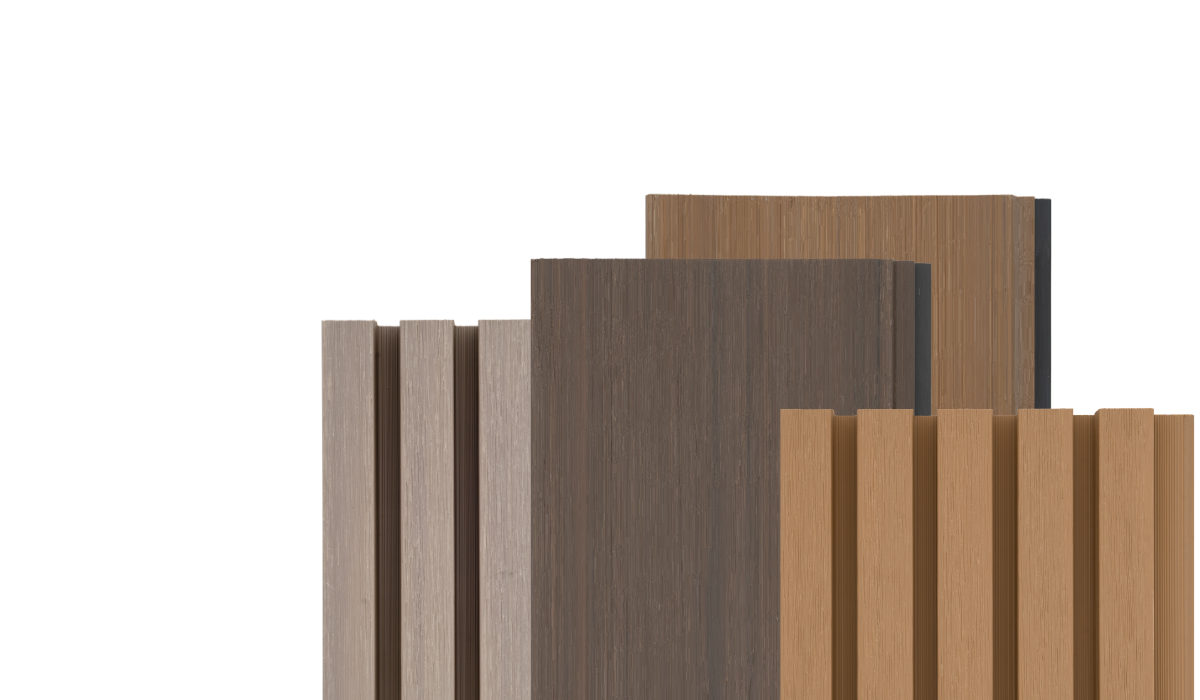
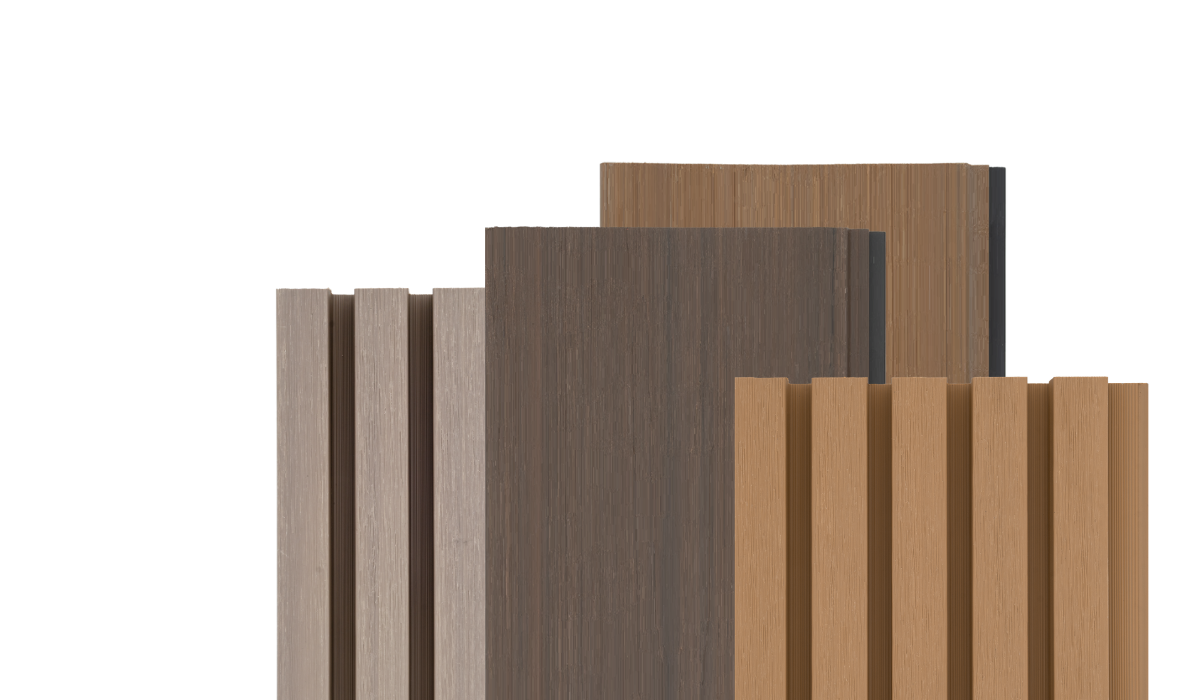
A clear guide to comparing composite siding by length, straightness, finish quality, installation system, accessories, and long-term exterior performance.
Composite siding is not only about colour or profile shape. Length, straightness, finish quality, installation details, and accessories all affect how clean the final exterior looks and performs.
01
Longer Lengths
Longer boards can reduce visible joints and create cleaner, more continuous exterior runs.
02
Straighter Profiles
Consistent, straight profiles help support cleaner alignment, easier installation, and better finished lines.
03
Finish Quality
Look for refined wood-look texture, natural colour tones, and finish coverage that looks consistent up close.
04
Complete System Details
Clips, trims, corners, starts, ends, and matching accessories help the project finish properly.
LENGTHS
Longer Boards Can Mean Fewer Visible Joints.
Board length affects how clean a finished exterior run can look. Shorter boards may create more visible breaks across long facades, soffits, and feature areas, while longer lengths can support a more continuous appearance.
When comparing composite siding, ask what lengths are available and how those lengths will affect joint placement, layout planning, and installation efficiency.
CladMart profiles are available in 12 ft and 16 ft lengths to help reduce unnecessary visual interruptions across larger exterior areas.
Shorter materials can create more seams and visual interruptions when used across larger facades or continuous exterior details.
Longer Boards
Cleaner lines with fewer interruptions.
Longer 12 ft and 16 ft board options can support more continuous exterior runs, helping the finished project look cleaner and more intentional.
Best length selection depends on the project layout, profile direction, site conditions, and installation plan.
ALIGNMENT
Straight Profiles Make Installation Cleaner.
Composite siding quality is not only about how the material looks in a photo. Straightness affects handling, alignment, spacing, and how clean the final exterior lines appear after installation.
When profiles are less consistent, installers may spend more time adjusting, correcting, or hiding irregularities on site.
01
Cleaner alignment
Straighter profiles help siding lines carry more consistently across facades, soffits, entrances, and feature wall areas.
02
Less adjustment on site
Consistent boards can reduce the time spent correcting uneven lines, gaps, and irregular transitions during installation.
03
Better finished lines
When the profile is straighter and easier to handle, the final exterior can look cleaner, more intentional, and better coordinated.
CladMart profiles are selected with real installation conditions in mind, supporting cleaner handling, straighter alignment, and more consistent exterior results.
FINISH QUALITY
A Good Wood-Look Finish Should Not Feel Plastic.
A wood-look finish should have depth, texture, and natural variation when viewed up close. Lower-grade composite siding can sometimes look flat, overly uniform, or plastic-like, especially around visible profile edges and detailed areas.
When comparing materials, review the surface texture, colour tone, and finish coverage in person before confirming your selection.
01
Natural-looking texture
Look for grain, depth, and surface detail that feels closer to an architectural wood finish than a basic plastic composite surface.
02
Refined colour tones
Premium finishes should feel warm, balanced, and suitable for modern exterior facades, soffits, entrances, and feature areas.
03
Consistent finish coverage
Review visible edges, grooves, and profile details to make sure the finish looks consistent across the areas people will actually see.
Exterior materials can expand and contract as temperatures change. A well-considered installation system helps reduce unnecessary stress on the boards and supports cleaner long-term performance.
When comparing composite siding, look beyond the face of the board. Spacing, fastening, accessories, and movement allowance all affect how the material performs once installed.
CladMart profiles are supported with coordinated installation accessories and system details designed for exterior installation conditions.
Temperature movement
Confirm that the product and installation method allow for normal expansion and contraction in exterior conditions.
Spacing and gaps
Review spacing requirements around board ends, corners, edges, and transitions before installation begins.
Fastening and support
A suitable fastening or support system helps maintain alignment while allowing the material to perform as intended.
Project conditions
Site exposure, layout, profile direction, and installer planning can all affect the final result.
SYSTEM DETAILS
The Small Details Help the Whole Project Look Finished.
Matching accessories help carry the design through corners, edges, starts, ends, window returns, and transition details. Without coordinated system details, even a good siding profile can feel incomplete once installed.
When comparing composite siding, check whether trims and accessories are available in matching colours and suitable lengths for the project.
01
Corners & edges
Matching corner and edge details help the siding turn cleanly around exterior conditions, openings, and profile changes.
02
Starts & ends
Starter trims, end trims, and transition pieces help define where the material begins, stops, and connects to surrounding elements.
03
Colour coordination
Coordinated accessory colours help the main siding profile, trims, and detail pieces feel like one complete exterior system.
CladMart offers coordinated accessories in matching finish directions to help profiles, trims, corners, and detail pieces feel consistent across the exterior system. The right accessory selection can be confirmed based on the chosen profile, colour, layout, and installation requirements.
Exterior siding is exposed to sun, moisture, insects, and seasonal temperature changes. When comparing materials, consider how the product is designed to maintain its appearance and reduce unnecessary upkeep over time.
Compared with natural wood, composite siding can reduce the need for repeated staining, sealing, or repainting while still creating a warm wood-look exterior.
UV resistance
Look for exterior materials designed to resist fading and support longer-lasting colour performance in sun-exposed conditions.
Moisture resistance
Composite siding can help reduce concerns around swelling, warping, and water-related upkeep compared with natural wood.
Bug resistance
Unlike natural wood, composite materials are not a food source for insects, helping reduce pest-related maintenance concerns.
Lower maintenance
A low-maintenance exterior material can reduce repeated staining, sealing, and repainting over the life of the project.
SAMPLES
Review Colour, Grain, and Texture in Real Lighting.
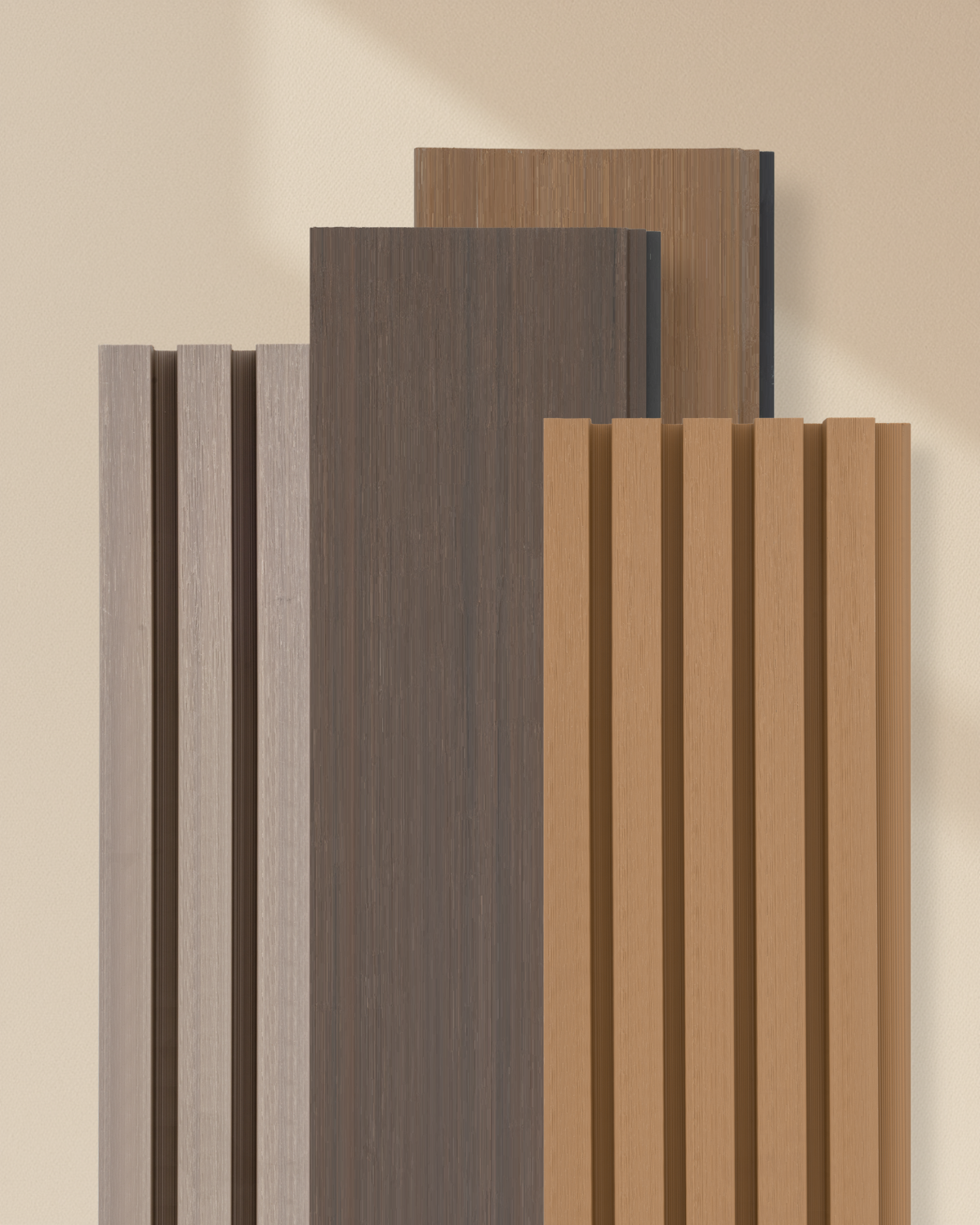
Samples help you compare colour, grain, texture, and profile options before confirming your project direction. Review materials in real lighting and alongside nearby finishes so the final selection feels aligned with your design, budget, and installation plan.
Colours can shift between indoor light, shade, direct sun, and different times of day.
Texture up close
Surface grain and profile depth are easier to judge when the material is seen and touched in person.
Profile comparison
Compare fluted and flat profiles together to understand how they may work across the same exterior.
COMPOSITE SIDING CHECKLIST
Composite Siding Selection Checklist
Before confirming your siding direction, use this checklist to compare materials beyond colour, profile shape, and price. These details can affect the finished look, installation process, and long-term exterior performance.
Are 12 ft or 16 ft board lengths available?
Do the boards look straight and consistent?
Does the finish look natural up close?
Are matching trims and accessories available?
Is the system designed for exterior movement?
Can you review samples before confirming?
Is warranty information available?
Are materials available for pickup or delivery?
For project-specific details, confirm profile, colour, accessories, installation method, and availability before placing an order.